

























































What Is Slot Gaming? A Simple Guide for Beginners

Slot gaming is a type of game where players spin reels on a machine or screen and hope to match symbols to win money or credits. These games are usually found in casinos, arcades, and online gambling sites. For example, a classic slot might show three spinning reels with icons like cherries, lemons, and sevens, and a player wins if three matching symbols line up on a payline. Modern slot games can have five or more reels and many different symbols, themes, and bonus features, but the basic idea stays the same: you spin, the symbols land randomly, and the game pays out according to its rules.
Slot games work using a random‑number generator, or RNG, which is a computer program that decides the result of every spin in a completely random way. This means that each spin is independent, so the outcome of the last spin does not change what will land next. A typical example is a three‑reel slot where each reel has 20 symbols, creating thousands of possible combinations. The game’s paytable shows how much you win for each combination, such as “three sevens pay 50 coins” or “two wilds pay 10 coins.” This system makes slot gaming fast, simple, and easy to play, even for beginners.
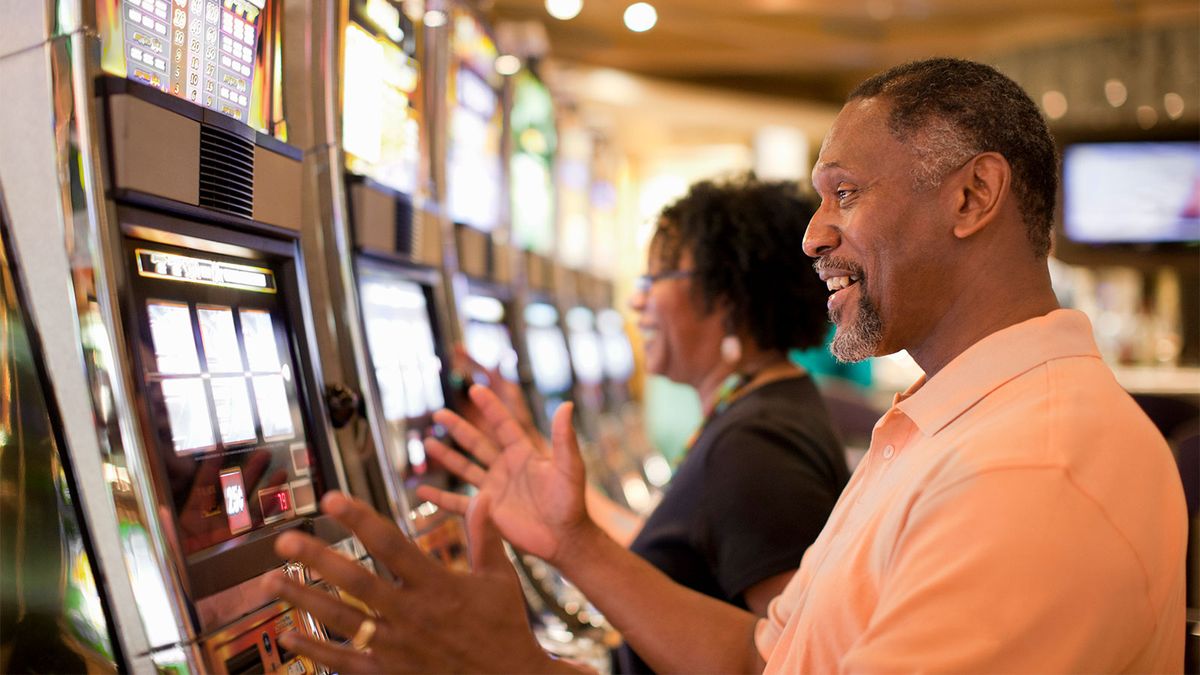
Physical slot machines are stand‑alone cabinets you see in casinos, bars, or amusement centers, with buttons or levers to start the spin and a screen or mechanical reels to show the result. For instance, a popular Vegas‑style slot might have a bright animated screen, flashing lights, and a lever you pull to spin the reels. Online slots work the same way but are played on a computer or mobile device, using software from licensed casino platforms. Many online slots offer higher return‑to‑player percentages, frequent bonuses, and thousands of different themes, from ancient Egypt to fruit machines, giving players much more variety than most physical machines.
In slot gaming, there are several common features and terms that help players understand what is happening on the screen. Reels are the vertical columns that spin, while symbols are the pictures that appear on them, such as “BAR,” “7,” or themed characters. Paylines are the lines that show where matching symbols must land to create a win, and some games use “ways to win” instead, giving you many possible winning combinations without fixed lines. Other examples include wild symbols, which can replace other symbols to complete a winning line, and scatter symbols, which often trigger free spins or bonus rounds even if they don’t appear on a regular payline. These features make the game more exciting and increase the chance of bigger wins, even if the basic gameplay is still random.
Slot gaming is mostly based on luck, not skill, so there is no guaranteed way to win in the long term. For example, a slot with a 95% return‑to‑player (RTP) percentage means that, on average, the game pays back about 95 cents for every dollar wagered over many spins, but individual results can vary widely. Some players might hit a jackpot early, while others might not win for a long time. Because of this risk, it is important to treat slots as entertainment, not a way to make money, and to set a budget before playing. Using tools like deposit limits, session timers, or self‑exclusion options can help keep the experience fun and under control.
LuckyLand Slots Review and Promotions. PLAY NOW and spin your way to big wins!
This site only collects related articles. Viewing the original, please copy and open the following link:What Is Slot Gaming? A Simple Guide for Beginners