What were the original rules and betting options for roulette?
The original rules and betting options for roulette were relatively simple. The game featured a spinning wheel with numbered pockets, typically ranging from 1 to 36. The early versions of the game also featured a single zero pocket, which gave the house a slight edge. In some variations, there was also a double zero pocket, which further increased the house edge.
Players would place their bets on the table, which had a grid layout that corresponded to the numbers on the wheel. They could place bets on a single number or a group of numbers, with different payouts depending on the odds of the bet.
The simplest bets were “inside” bets, which involved placing chips directly on a single number or a small group of adjacent numbers. The payout for these bets was higher, as they were less likely to win. Players could also make “outside” bets, which covered larger groups of numbers and offered lower payouts.
Some common outside bets included betting on whether the winning number would be odd or even, red or black, or high or low (1-18 or 19-36). Another popular outside bet was the “dozen” bet, which involved betting on one of three groups of 12 numbers (1-12, 13-24, or 25-36).
luckyland slots review
Sites Like LuckyLand Slots Best Alternatives Updated October
Spring Progress Meetings - Roby Park Primary
Is Global Poker Real Money?
Can I Play Superslot777 for Free?Yes! Free Credits & Demo Mode
- YouTube
スロットを日本語で何といいますか?
Roby Casino Review: How to Sign Up Deposit and Play
Games RubyPlay
How has technology influenced the game of roulette?
Slots Games
luckyland slots review
When and where was the game of roulette first played?
Best No Deposit Bonus Slots 2026: Free Spins & Real Money Wins
Are Slot Machines Connected to Other Casinos?
Wizard of Oz Slots 2.57M+ Free Coins
Whats the secret to slots?
Gorf PCB cage orientation? (Wizard Of Wor Space Zap Roby Roto too) Museum of the Game® & International Arcade Museum® Forums
House of Fun™️ FREE COINS - Get 100 Free spins Now
Is Roobet Really Provably Fair? Truth Revealed
Real money betting FAQs
Biggest Slot Win Ever: How Players Hit Millions on One Spin
luckyland slots app
Sheds in Huyton With Roby
Is LuckyLand Slots Legit? Real Wins vs. Red Flags Revealed
- YouTube
Where is WPT Global legal
What Is a Time Slot? Simple Meaning and Examples
LuckyLand Slots No Deposit Bonus & Review 2024
Do any online slots pay real money?
Saints release CB Bradley Roby a projected starter in the slot
What is a Rake Chase?
Free Slot Machine Games Online (No Downloads or Registration)
luckyland slots
Top Cassinos com Bônus Sem Depósito no Brasil Lista 2024
Qualify for the WPT Global Main Event via Low Buy-In Satellites
Buy Beats Online Download Beats Rap Beats For Sale Instrumentals For Sale
Does Lucky Jackpot Slots Pay Real Money? The Truth
What is the future of the game of roulette?
What is the future of the game of roulette? One potential future for roulette is the integration of virtual and augmented reality technologies. This would allow players to immerse themselves in a virtual casino environment and enjoy a more realistic and engaging gaming experience.
Another potential future for roulette is the continued growth of online gaming. As more and more people turn to the internet for their gaming needs, online casinos are likely to become even more popular.
luckyland slots review
How do I deposit using Skrill on WPT Global?
Download LuckyLand Slots on iPhone: Easy No-App Hack!
How many slot machines does Scarlet Pearl have?
Beau Rivage Resort & Casino
Qualify for Red Dragon Poker Tour Jeju 2025 via WPT Global Satellites
- YouTube
How Online Casino Real Money No-Deposit Bonuses Work in 2025
Best No-Deposit Signup Bonuses: What to Know
Bônus sem Depósito 2024 Cassinos com Bônus Grátis no Cadastro
Who makes the Wizard of Oz slot?
luckyland slots review
James Roby ‘forever grateful’ ahead of last home game for St Helens The Independent
Can I get free slots?
What is the $20 method on slots?
Luckyland Slots Casino Real Money Download EK Wireless Houstons #1 Cell Phone Repair & Unlocking Store
Apakah Lucky Slots membayar uang sungguhan?
LuckyLand Slots Real Money Android Game APK Download - gamespot
How did the introduction of online casinos impact the game of roulette?
Doug Polk Faces Backlash Over Playing in His Own Tournaments at The Lodge
Top Gaming Platforms That Pay for Registration in 2025
スロットを日本語で何といいますか?
luckyland slots
Online Casino Welcome Bonus No Deposit 2025
Doug Polk Faces Backlash Over Playing in His Own Tournaments at The Lodge
Ruby Slots - YouTube
Free spins casino FAQs
Why Slots Love 777: Unlock the Jackpot Secret!
What is the most winning slot machine in casinos?
LuckyLand Slots Bonus Code 2024
Which slots are real?
Largest Slot Win Guinness Record: $39.7M Megabucks Jackpot
Legitimate Slot Games That Pay Real Money: Top 2026 Casinos
luckyland slots casino real money
Play Slots Slot Machines Near Me Resorts World Catskills
RobyCasino Review 2024 💰 100% up to C$750 + 200 FS
What Slots Are Winning in 2026? Top RTP & Jackpot Picks
LuckyLand Casino Login Guide: Official Access Password Help and Security
Best Casino with Signup Bonus in Brazil 2026
Slots & Casino Streaming - Live Streams on Kick
Luckyland Slots Review & Rating 2024 Is it safe & legit?
Best No Deposit Money Games
Is LuckyLand Slots Legal? 2026 Truth About Cash Prizes
Wizard of Oz Slot Machine Casinos
When and where was the game of roulette first played?
When and where was the game of roulette first played? The game as we know it today first appeared in Paris in 1796, and quickly gained popularity throughout Europe, especially in the casinos of Monte Carlo. The addition of the zero by Francois and Louis Blanc in the mid-19th century helped to increase the house edge and make the game more profitable for casinos.
luckyland slots review
Is Ruby Slots real?
What’s a Main Slot? Spin to Win Big!
What is the $20 method on slots?
Can Chumba Casino Pay Real Cash? Truth Revealed
Cadastre-se e Ganhe BÔNUS para Jogar 2024: TOP 10 Sites
R$30 Sign-Up Bonus Games
Online Casino Welcome Bonus No Deposit 2025
Expert Tips for Maximizing Wins in Online Slots No-Deposit Bonuses & Free Cash Games (2025)
Does Ruby Slots Really Pay Out? Honest Review 2025
: The Web Component Slot element - HTML: HyperText Markup Language MDN
Start Playing Slots for Real Money: Beginners Guide 2026
Which Platforms Pay on Signup Without Deposit?
Download LuckyLand Slots on iPhone: Easy No-App Hack!
🔥 Melhores slots para ganhar dinheiro no Brasil em 2024
Top Online Casino Apps of 2025
House of Fun™️ FREE COINS - Get 100 Free spins Now
Where is WPT Global legal
luckyland slots app
Online Slots UK: Play 900 Real Money Slot Games & Free Spins
Apostas online e Casino Bónus Leon: Aposta grátis até 200€
Wizard of Oz Slots 600000+ Free Credits – House of Freebies
WPT Global Newest Promo: Ticket to Some Additional Play Money
What does Brian Christopher slots do for a living?
Does Lucky Jackpot Slots Pay Real Money? The Truth
How to get free coins on House of Fun Slots?
Luckyland Slots Casino Sign In Ken Bobs Original BarefootRunning.com
Over 7200 Slot Machines Yaamava Resort & Casino
NG Slot - YouTube
luckyland slots review
What Does Texas Holdem Flop Mean?
Best Games Like LuckyLand Casino
Luckyland Slots redeem 2024 Luckyland redeem Times
WSOP USA Top 8 FAQ
How to Download WSOP NV
What slot game pays real money?
What kind of game is slots?
What is slot queens real name?
Win Big with the $20 Slot Method: Casino Hack Revealed
NG Slot - YouTube
Who invented the game of roulette?
Who invented the game of roulette? The exact origins of roulette are a subject of much debate and speculation among historians and gambling enthusiasts. While there is no clear consensus on the game’s inventor, several theories exist regarding its creation.
One of the most popular theories is that the game was invented by a French mathematician named Blaise Pascal in the 17th century. According to this theory, Pascal was attempting to develop a perpetual motion machine when he inadvertently created the roulette wheel.
luckyland slots review
Slots - Hard Rock Hotel & Casino Bristol
Knicks Re-Sign Isaiah Roby To Exhibit 10 Deal Hoops Rumors
Largest Slot Win Guinness Record: $39.7M Megabucks Jackpot
FunzCity Casino Review & Ratings Updated: October 2024
What are Slots in online casino?
What Slots Are Winning in 2026? Top RTP & Jackpot Picks
James Roby ‘forever grateful’ ahead of last home game for St Helens The Independent
Eagles signing veteran cornerback Bradley Roby to practice squad adding much-needed depth to secondary - CBSSports.com
What kind of game is slots?
Paulius Plausinaitis Wins GGMillion$ SHR for $315054
luckyland slots review
Who Is Mr. Ruby Slots? The Man Behind Ruby Slots
Why are they called slots?
Play Slots Lounge Online for Free
New £2 maximum stake for under 25s playing online slots
Which slots win the most?
WPT Global Review 2025 — Why It’s One of the Best Online Poker Sites Today
10 Bonus Bets for New Sign-Ups
Wicked Tower in Wizard of Oz Slots: Quick Access Guide
Sites Like LuckyLand Slots Best Alternatives Updated October
Help - We regret to inform you that your IP address has been blocked
Free Slot Machine Games Online (No Downloads or Registration)
What are WPT Global Cash Games in brazil?
Signals & Slots Qt Core 6.8.0
Casino Slots Jackpot
Trustworthy Online Casinos: How to Choose Safely in 2026
WPT Global Tournament Schedule 2025
Casino bonus faqs
Can You Predict Slot Machine Wins? The Shocking Truth
Which Free Casino Games Pay Real Money in 2025? | Full Comparison Guide
Not all free casino games offer real-money payouts. Some are purely for entertainment, while others allow players in the U.S. to win cash through sweeps coins, no-deposit bonuses, or promotional spins. Below is a clear comparison of the free casino games that pay real money versus those that do not, along with the most reliable ways to earn withdrawable rewards.
1. Free Games That Can Pay Real Money These options give players a legitimate chance to receive cash, but each works differently.
Best No Deposit Bonus Slots 2026: Free Spins & Real Money Wins
Is Roobet Really Provably Fair? Truth Revealed
WPT Global: The Premier Choice for Poker Players
Wizard of Oz Slots Free Coins Guide: Hourly & Daily Bonuses Explained
Slots™ on the App Store
Slots que Pagam no Cadastro:Ganhe Bônus para Começar a Jogar
How to win at slots Tricks to improve your odds
WPT Online Tournament Login Guide 2024
Slot Gambling Apps: Risks Safety and Alternatives
Cassinos com Bônus Sem Depósito no Cadastro
Is Luckyland Slots Legit? Real Wins Exposed!
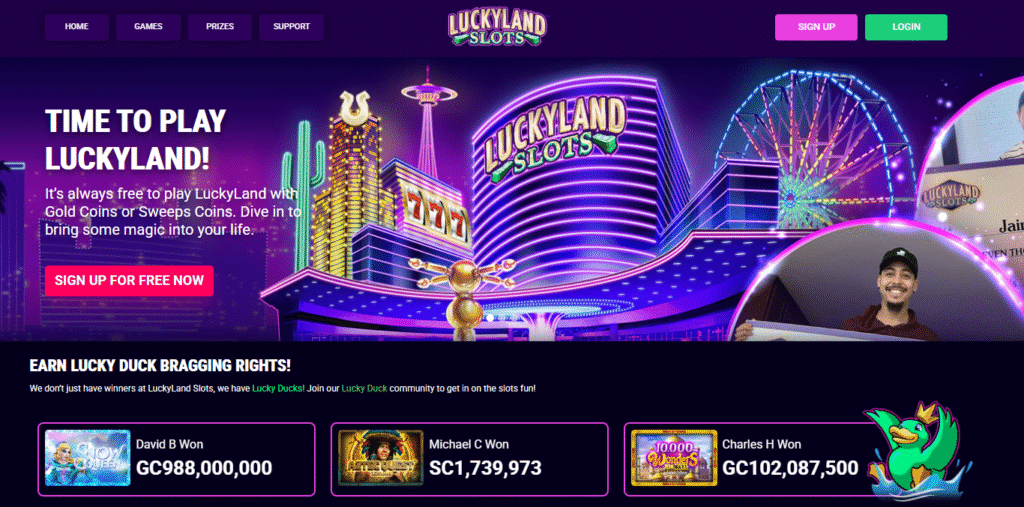
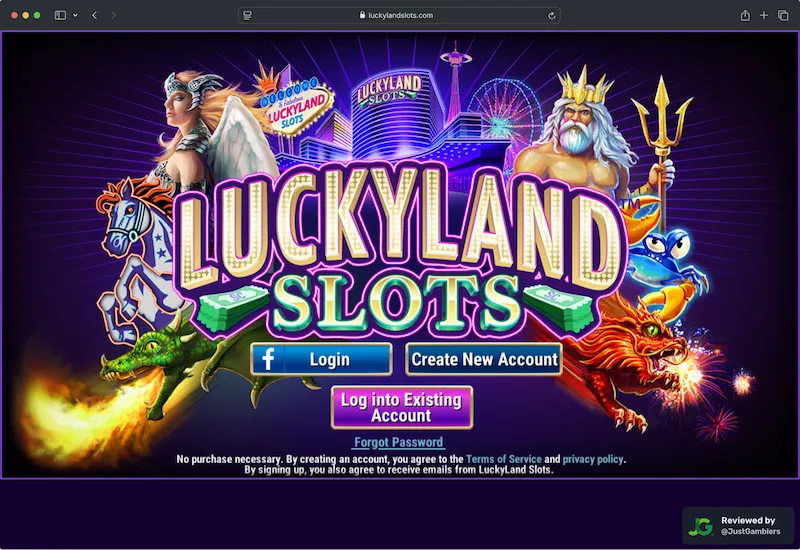
Is Luckyland Slots Real? A Simple Guide for Players Luckyland Slots is a real sweepstakes casino where you play slots for fun and prizes, not direct real money bets. It gives you Gold Coins for free play and Sweeps Coins for chances to win cash or gift cards, like $1 per Sweeps Coin after playing through once. For example, new players get 7,777 Gold Coins + 10 Sweeps Coins just for signing up, no purchase needed.
luckyland slots casino real money
Pass Markup into Slots Create Lightning Web Components Lightning Web Components Developer Guide Salesforce Developers
Wizard of Oz Slots Review (2024) - Play Online at These Sites
Start Playing Real Money Slots in 2026: The Complete Beginners Guide
LuckyLand Alternatives: Top Sweepstakes Casinos Like LuckyLand Slots
Everygame Poker Review: Your Guide to Online Poker
Where is WPT World Championship 2024?
Slot Race 65 Kristen Roby - Vegas SlashNDash 14.77
WPT Prime Championship Returns with Jereld Sam Shining
Wizard of Oz Slots - Zynga - Zynga
What are Slots in online casino?
luckyland casino login
How to Get R$10 at Casino Sign-Up
Qualify for Red Dragon Poker Tour Jeju 2025 via WPT Global Satellites
Best Online Sweepstakes Casinos Ranking the Top Social Casinos
Free Luckyland Slots Money: Grab Coins NOW!
Playn GO Games
Roby-Pin - Loss Prevention Fasteners
WPT Global Now Title Sponsor For Triton Poker Super High Roller Series
Luckyland Slots Casino Real Money Download Architecture and System Caching
How many Slots does Quest casino have?
No Deposit Free Spins at WPT Global – Play Without Spending
luckyland slots review
RobyCasino Review 2024 💰 100% up to C$750 + 200 FS
LuckyLand Slots 🎖️ Read Review
Apakah ada permainan slot gratis untuk dimainkan?
Flex Slotsを用いたBigQueryのコストパフォーマンス改善と運用 - ZOZO TECH BLOG
Daily Bonuses in Wizard of Oz Slots: Free Credits & Rewards Explained
The Math of High-Yield Reels: Verifying Return-to-Player Percentages and Direct Settlement Rails
Bitstarz no deposit bonus up to 5 BTC and 200 free spins
WPT Global Bonus Terms: Cashing In Made Simple
What is the $20 method on slots?
🎰 LuckyLand Slots Review & Rating For October
luckyland slots casino real money
What are Slots in online casino?
slots que pagam no cadastro:ganhe bônus para começ ... Kwai
Luckyland Slots App Download FAQ: Installation Integrity and System Sync
Slots & Casino Streaming - Live Streams on Kick
Where Is RubyPlay Headquarters?
How to Start Playing Online Poker in 2025: A Beginner’s Guide
Online Casino - Casino Games - Bodog
What is the best site to play slots?
No-Deposit Betting Bonuses: What to Know
Flex Slotsを用いたBigQueryのコストパフォーマンス改善と運用 - ZOZO TECH BLOG
99% RTP Slots: Win Big with Ugga Bugga & Mega Joker!
No slot game offers exactly 99% RTP everywhere, but some like Ugga Bugga by Playtech hit 99.07%—returning about $99 for every $100 wagered over millions of spins. Mega Joker by NetEnt reaches up to 99% in its supermeter mode, where you can gamble wins for bigger payouts. These stand out as player favorites for their high returns.livescore+1
Top Picks Explained Ugga Bugga mixes old-school fruit machine vibes with hold features, letting you lock reels for frequent small wins—perfect for steady play.
luckyland slots review
IATA - Worldwide Airport Slot Guidelines
PAID POST: 11 Best Slot Machines to Play and Where to Play Them in 2024 The Texas Tribune
How to Download WSOP NV
slot ロングマン現代英英辞典でのslotの意味 LDOCE
Ruby Slots - YouTube
Apakah House of Fun sah?
Slot Synonyms: The Ultimate List of Alternatives You Need
Ways of the Qilin PG: Jogo Demo (Grátis) Como Jogar e Mais
Who owns Bally slots?
Bônus sem depósito em Cassinos do Brasil 2024
luckyland slots review
Best No Deposit Bonus Slots 2026: Free Spins & Real Money Wins
Timothy Chung: From Birthday Party to WPT Prime UK Champion
What Is a Time Slot?
Best Slot Machine to Play: RTP Volatility & Real Examples
PokerStars™ Casino
「Scatter Slots - Slot Machines」をApp Storeで
Can I play slots online?
Play Slots Lounge Online for Free
Luckyland Slots Review 2024 Is Luckyland Slots Legal?
Slots™ on the App Store
luckyland slots casino real money
Is LuckyLand Slots Legit for Real Money?
Tesco shopper? Christmas delivery slots now open for some
Slot of Horrors: Philadelphia Eagles Counting on Bradley Roby Return After Bye Week - Sports Illustrated Philadelphia Eagles News Analysis and More
Flex Slotsを用いたBigQueryのコストパフォーマンス改善と運用 - ZOZO TECH BLOG
Ruby Princess - Cruise Ship Information - Princess Cruises
Best Casino Apps to Win Real Money
Does WPT Global have a mobile app?
luckyland slots app
FarmVille 2: Country Escape v26.5.100 MOD APK (Menu Unlimited & Unlocked All) Download
google-play
Slotは名詞としてどういう意味ですか?
LuckyLand Casino Login Guide: Official Access Password Help and Security
Games RubyPlay
Best Casino Apps to Win Real Money
NFL free agency 2020: Cornerback Bradley Roby a slot target for New York Giants? - Big Blue View
FAQs
Can You Predict Slot Machine Wins? The Shocking Truth
Does Wizard of Oz Slots pay real money?
What is slots Singapore?
The “slot machine” term derives from the slots on the machine for inserting and retrieving coins. “Fruit machine” comes from the traditional fruit images on the spinning reels such as lemons and cherries.
Top Gaming Platforms That Pay for Registration in 2025
LuckyLand Slots Bonus Code 2024
Free Wizard Slots: Spin Oz Magic Without Spending!
Qual jogo dá bônus no cadastro sem depósito?
Os slots online geralmente oferecem várias linhas de pagamento, que são as linhas onde as combinações de símbolos devem aparecer para resultar em um ganho. Quanto mais linhas de pagamento você ativar, maiores são suas chances de ganhar. No entanto, isso também aumenta o valor total da sua aposta.19 thg 6, 2024
luckyland casino login
Slots Wizard of Oz Free Credits - Daily Rewards
Best No Deposit Bonus Bets 2026: Free Spins & Rewards
- YouTube
GGmuks Casino: Slots
Lucky Slots No Deposit Bonus
Play online slots for real money Best real money online slots - al.com
Ways of the Qilin PG: Jogo Demo (Grátis) Como Jogar e Mais
Free Slot Machine Games Online (No Downloads or Registration)
How to Win at Online Slots in 2025 with WPT Global
Unveiling the Exciting Arrival of Roby Casino in Germany - Your Next Online Gaming Destination! - Coco Adocs
luckyland slots app
IATA - Worldwide Airport Slots
Is There a Secret to Winning at Slots? The Truth Explained
Real Money Slots: Find High-Payout Games & Fast Withdrawals
Online Casino - Casino Games - Bodog
slots que pagam no cadastro:ganhe bônus para começ ... Kwai
The Robey — Hotel Review Condé Nast Traveler
Is There a Wizard of Oz Slot Machine?
WPT Championship Ignites the Spirit of Aussie Poker Legend James Obst
Slots - Hard Rock Hotel & Casino Bristol
- YouTube
luckyland slots
WPT Global Summer Festival Season 2024 Schedule
🎰 Best Online Slots in 2024 Real Money Slot Games
Join Ruby Slots Casino: Exclusive New Player Promotions Awai
How to Play WPT Global on Your Computer 2024
Caesars Slots - Casino Slots Games を入手 - Microsoft Store ja-JP
How to Play Slot Machines: Tips and Guidelines HowStuffWorks
FarmVille 2: Country Escape v26.5.100 MOD APK (Menu Unlimited & Unlocked All) Download
Vue Slots
Cassinos com Bônus Sem Depósito e Bônus Cadastro Grátis
Who makes the Wizard of Oz slot?
luckyland slots casino real money
Slot Synonyms: The Ultimate List of Alternatives You Need
Casino Sign-Up Bonuses: Best Offers
Cadastre-se e Ganhe BÔNUS para Jogar 2024: TOP 10 Sites
Exclusive UK online slots at 32Red Win jackpots & free spins
Help - We regret to inform you that your IP address has been blocked
LuckyLand Slots Redemption Time:How Long Until You Get Paid?
Most Trusted Online Casino: WPT Global
Luckyland Slots Review 2024 Is Luckyland Slots Legal?
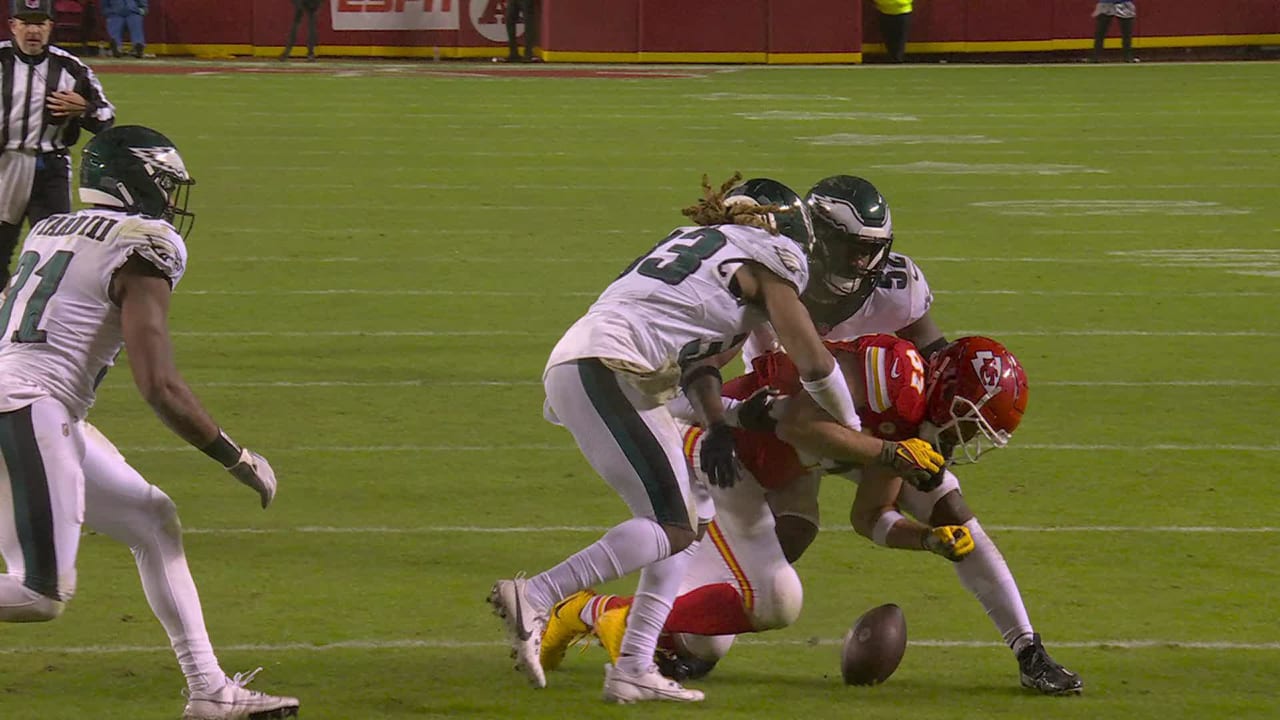
Highlight: Bradley Roby forces Travis Kelce to cough up the ball
PAID POST: 11 Best Slot Machines to Play and Where to Play Them in 2024 The Texas Tribune
LuckyLand Slots Review and Promotions. PLAY NOW and spin your way to big wins!
Wizard of Oz Slots Free Coins-Daily Credits Wizard of oz slots free coins.wizard of oz slots free credits.wizard of oz free slots casino.free coins wizard of oz slots.
Find trusted online casinos offering real-money slots how to get started safety tips and what to expect from mobile and desktop play in regulated states.
Direct and technical answers regarding true slot payout ratios clearing introductory balances without account blocks and tracking high-velocity merchant gateways.
luckyland slots casino real money
luckyland slots casino real money
LuckyLand Slots Review and Promotions. PLAY NOW and spin your way to big wins!
luckyland slots
Top Cassinos com Bônus Sem Depósito no Brasil Lista 2024
Can I play slots online for real money?
Top 10 classic online slots
What is the best site to play slots?
Is LuckyLand Slots Still Active? The 2026 Shutdown Explained
Explore Infinitas possibilidades de jogo ao se cadastrar...
the continued expansion of cryptocurrency and blockchain technology could also have a significant impact on the future of roulette. As more players look for ways to make secure and anonymous transactions it is possible that we will see more online casinos accepting cryptocurrencies like Bitcoin as a form of payment.
The game as we know it today first appeared in Paris in 1796 and quickly gained popularity throughout Europe especially in the casinos of Monte Carlo. The addition of the zero by Francois and Louis Blanc in the mid-19th century helped to increase the house edge and make the game more profitable for casinos.
One of the most popular theories is that the game was invented by a French mathematician named Blaise Pascal in the 17th century. According to this theory Pascal was attempting to develop a perpetual motion machine when he inadvertently created the roulette wheel. While this story is widely circulated there is little concrete evidence to support it.
What were the original rules and betting options for roulette? LuckyLand Slots Review and Promotions. PLAY NOW and spin your way to big wins!
luckyland casino login
Biggest Slot Win Ever: The $39 Million Jackpot History
Philadelphia Eagles CB Bradley Roby to the Rescue in Slot for Philly - Sports Illustrated Philadelphia Eagles News Analysis and More
Timothy Chung: From Birthday Party to WPT Prime UK Champion
Largest Slot Win Guinness Record: $39.7M Megabucks Jackpot
スロット(slot)とは? 意味・読み方・使い方をわかりやすく解説 - goo国語辞書
Cassinos com Bônus Sem Depósito no Cadastro
5 cassinos com bônus free spins no cadastro - Folha PE
How many Slots does Quest casino have?
Slot Machines Treasure Island Resort & Casino
Slots - Hard Rock Hotel & Casino Bristol
luckyland slots
FAQs
Best Platforms with No Deposit Bonus in 2026
How to Get Free Coins on House of Fun (No Real Money Needed)
Slot machine - Wikipedia
Melhores Cassinos com Bônus de Cadastro no Brasil em 2024
LuckyLand Slots Review Read Our Review Sign Up and Win
Free Spins Signup Casinos: Best Options
Paulius Plausinaitis Wins GGMillion$ SHR for $315054
10 Cassinos Online que Mais Pagam em 2024 - Placar
What is the future of the game of roulette? One potential future for roulette is the integration of virtual and augmented reality technologies. This would allow players to immerse themselves in a virtual casino environment and enjoy a more realistic and engaging gaming experience.
Another potential future for roulette is the continued growth of online gaming. As more and more people turn to the internet for their gaming needs, online casinos are likely to become even more popular.
When and where was the game of roulette first played? The game as we know it today first appeared in Paris in 1796, and quickly gained popularity throughout Europe, especially in the casinos of Monte Carlo. The addition of the zero by Francois and Louis Blanc in the mid-19th century helped to increase the house edge and make the game more profitable for casinos.
Who invented the game of roulette? The exact origins of roulette are a subject of much debate and speculation among historians and gambling enthusiasts. While there is no clear consensus on the game’s inventor, several theories exist regarding its creation.
One of the most popular theories is that the game was invented by a French mathematician named Blaise Pascal in the 17th century. According to this theory, Pascal was attempting to develop a perpetual motion machine when he inadvertently created the roulette wheel.