




































































What Is a Slot Machine?

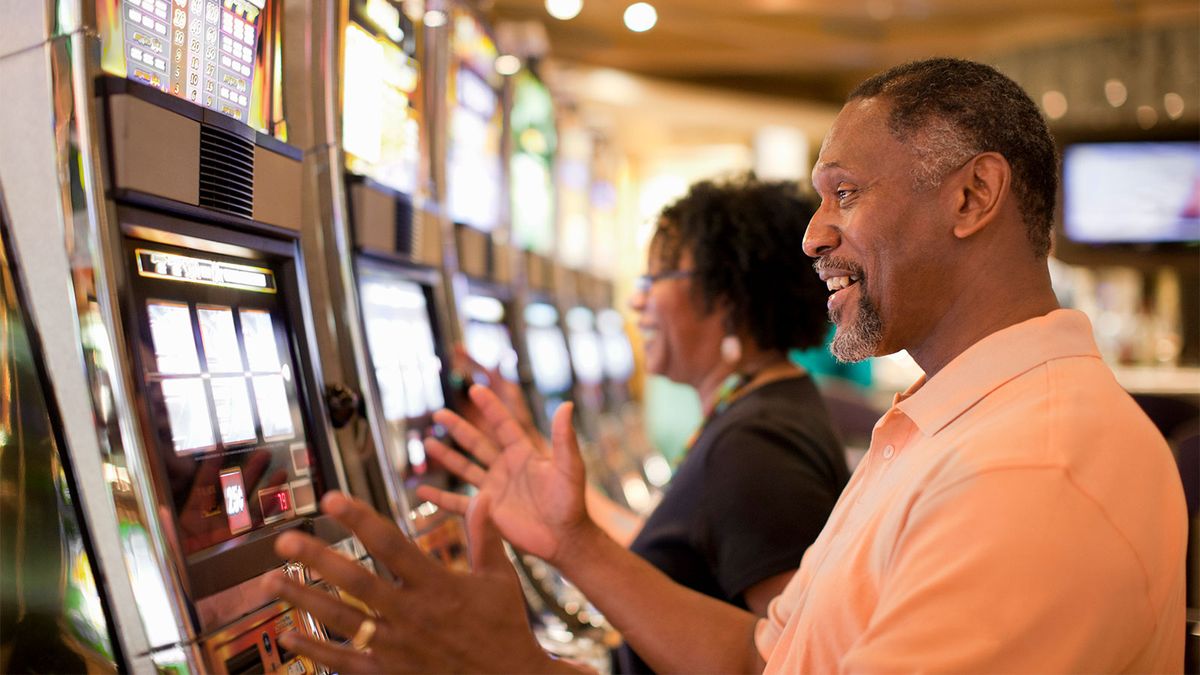
A slot machine is a gambling device where you insert money, a ticket, or a digital credit and then spin reels or a digital display; if the symbols that stop on the active payline match a winning combination shown on the paytable, the machine pays out credits or cash. For example, in a classic three-reel slot you might bet 1 credit, spin, and win 50 credits if three cherries line up on a single payline; the paytable printed on the machine or shown on-screen tells you that exact payout.
Early slot machines were mechanical, coin-operated devices with a handle that spun physical reels, and those historical models often paid out small prizes like cigars or tokens; later, electric and electronic versions used buttons and internal motors to spin reels, increasing reliability and speed. For instance, a 1960s electromechanical machine still used physical reels but added lights and switches, while a 1990s video slot replaced the mechanics with a screen that mimicked reels and allowed more symbols and bonus features.
Modern slot machines—both in casinos and online—use a Random Number Generator (RNG) that continuously produces numbers mapped to symbol positions, so the result of your spin is essentially determined by that RNG at the instant you start the spin, not by any visible reel movement. As an example, an online five-reel video slot may display animated reels and a bonus round, but under the hood the RNG and the game’s paytable decide outcomes and prizes.
Paytables and paylines are the rules that tell you how the machine pays: the paytable lists how many credits each symbol combination is worth and which special symbols trigger bonus games, while paylines show the patterns across reels that count as wins. A concrete case: a video slot might have 25 paylines and a paytable stating that three “gold bar” symbols on any payline pay 100 credits, while a scatter symbol appearing anywhere three times awards 10 free spins.
Return to Player (RTP) and volatility are the two main metrics players use to understand a slot’s behavior: RTP is the long-term percentage of wagers returned to players (for example, an RTP of 96% means the game is designed to return $96 for every $100 wagered across a huge number of spins), while volatility describes win frequency and size—high-volatility games pay less often but can produce bigger wins, and low-volatility games pay smaller amounts more often. For example, a high-volatility progressive slot may rarely hit the jackpot but can award millions when it does, while a low-volatility classic slot might give steady small wins.
There are several common types of slots: classic three-reel machines with simple paylines, video slots with rich graphics and multiple bonus features, progressive-jackpot slots that pool a portion of each bet into a growing top prize, and online/mobile slots that replicate or expand casino features and often include free-play modes. For instance, an online progressive linked across many casinos can accumulate a jackpot that reaches into the millions, paid to the player who lands the required symbol combination.
Because slots are chance-based and governed by programmed payout percentages, no betting system or strategy can change the long-term expected return, so responsible play is essential—set a budget, decide a time limit, and treat spins as entertainment rather than income. A simple habit is to convert your bankroll into machine credits, set a maximum loss for a session (for example, $50), and stop when you reach that limit to avoid chasing losses.
Regulations and availability differ by place: some countries restrict or ban slot machines, others allow them only in licensed casinos, and online regulation varies widely; always check local laws and play on licensed platforms. For example, a traveler may find legal slot floors in licensed Nevada casinos but face restrictions or prohibitions on similar machines in certain other jurisdictions.
Imagine playing a themed video slot called “Treasure Reef”: you choose a $0.50 bet per spin across 20 paylines, press Spin, and the RNG determines the symbols; if three treasure chest symbols land on any active payline, the paytable awards 200 credits and you can trigger a free-spin bonus if three scatter shells appear anywhere. This example shows how bet size, paylines, the paytable, and special symbols combine to produce the experience and potential payouts of a slot machine.
LuckyLand Slots Review and Promotions. PLAY NOW and spin your way to big wins!
This site only collects related articles. Viewing the original, please copy and open the following link:What Is a Slot Machine?