










































































What Is a SLOT? Real-World Examples Hardware & Tech Explained

A slot is a narrow opening, a reserved time, a specific position, or a placeholder that lets systems and people fit things together smoothly. For example, a coin slot on a vending machine is 1.2 cm wide and 4 cm tall, a 30-minute meeting slot from 2:00–2:30 PM fits exactly one event on a calendar, and a PCIe slot on a motherboard is a standard 89 mm long connector that holds a graphics card. Whether you’re inserting a coin, booking time, or adding hardware, a slot gives you a clear place and rule for where something belongs.
In everyday life, slots appear as physical openings, scheduled time blocks, and job or team positions you can fill. A bakery uses a 15-minute prep slot for each cake order so no two bakers work on the same rack at the same time, a school board opens 10 new teacher slots in September for hiring, and a TV station gives a 10:00 PM news anchor slot to a reporter each weekday. These examples show that slots make planning fair, predictable, and easy to track because every item has its own numbered or timed place.
In computers and hardware, slots are connectors or storage spots that let you add or swap parts quickly. A standard DIMM memory slot on a laptop holds up to 32 GB of RAM per slot, a PCIe x16 slot supports up to 32 GB/s bandwidth for a GPU, and a server often has 12 drive slots that hold 2 TB SSDs each for a total of 24 TB storage. When you plug a new SSD into an empty drive slot, the system detects it in under 5 seconds, letting you expand capacity without opening the case or rebalancing data manually.
In software and web design, slots act as named placeholders where parent components drop child content, keeping layouts flexible and reusable. A Vue.js or Web Component header often has a “nav” slot that accepts a list of 5–7 links, a React slot pattern lets a card component receive a 200×200 px image plus a 50-character title, and a mobile app dashboard uses a “widget” slot that can hold either a weather, calendar, or steps module (one per slot). This design lets the same card component show 3 different layouts while the developer writes only 1 template, cutting code by 40% in real projects.
In event-driven programming, the signal-and-slot pattern connects events to actions so parts don’t need to know about each other. When a “save” button sends a signal, it triggers a “saveData” slot (a callback function) that writes 1–2 MB of form data to disk in under 50 ms, and in Qt frameworks a single signal can connect to 3–5 slots that update UI, log actions, and send an email all at once. This means the button code stays simple (one line that emits the signal) while the system handles many tasks reliably, reducing bugs by up to 30% in large apps.
For content creators and bloggers, using the right word for “slot” matters because readers in Singapore, the US, and Europe may think of different things first. If you write about a game, say “slot machine” (the 17×10 cm reel device used in casinos); if you write about workload, say “time slot” (e.g., “a 45-minute writing slot from 9–9:45 AM”); if you write about tech, say “component slot” or “PCIe slot” with a short example like “insert the GPU into the slot under the CPU”. Adding one clear example per paragraph (like the 30-minute meeting or the 32 GB RAM) helps readers from non-technical backgrounds understand in under 10 seconds.
Common mistakes happen when people mix slot with port, placeholder, or CPU time slice, leading to confusion. A USB port is for plugging cables (with 12–20 mm width and 3–5 A power), while a RAM slot is for memory modules (no cable, just clicks), and a CPU time slice is about 1–4 ms of processor time per task—not a visible slot you can book or see. To avoid these errors, always add a 5-word clarification like “hardware slot” or “scheduled slot,” and when in doubt, include a real-world number (e.g., “30-minute meeting slot” or “89 mm PCIe slot”) so readers instantly picture the right thing.
Quick tips to make your blog post about slots clear and useful: open with one real example (e.g., “a coin slot is 1.2 cm wide”), define the exact sense you mean (physical, time, job, hardware, or code), and add one number or size per paragraph to ground the idea. Use short sentences like “A 30-minute slot fits one meeting” instead of long ones, keep paragraphs under 6 sentences, and end with a single actionable step like “book your next writing slot today at 9 AM for 45 minutes.” This approach lifts readability scores to Grade 6–7 and helps 80% of non-expert readers follow your point on first try.
FAQ
Who Invented the Slot Machine? The Story of Charles Fey
The inventor of the slot machine is Charles August Fey, a Bavarian-born American mechanic. He invented the first modern slot machine in 1894 in San Francisco. His famous invention, called the “Liberty Bell,” was created around 1898-1899 and featured three spinning reels with symbols like bells and horseshoes. It also introduced the automatic coin payout system, which became the defining feature of slot machines. Charles Fey’s design simplified earlier complex poker-based machines, making it possible to have an effective automatic payout mechanism.
Are there free slot games that pay real money?
Well, if we are once again talking about social casinos like Slotomania, then no you can’t play free slots to win real money. But, if you do decide to play on casino apps, they have hundreds of slot games available and can essentially be classed as slot apps.
Qual jogo de slot dá bônus no cadastro?
Ter uma conta ativa nos sites de apostas com bônus sem depósito, como por exemplo, Bet365, Betano, Betsson e Betfair, pode ser uma ótima maneira de começar a apostar sem arriscar seu próprio dinheiro.
How Often Do You Get Free Wizard of Oz Coins? (Daily + Hourly Guide)
How Often Are Free Wizard of Oz Coins Given Out? Free coins in Wizard of Oz Slots aren’t handed out on just one schedule—they drop on several overlapping timers, plus occasional promotions. In practice, you can collect something multiple times a day if you log in regularly. The core coin timers Most players will see these recurring sources of free coins: Hourly Bonus Wheel: Available roughly every few hours (commonly every 3–4 hours) from the main lobby.
Can you make money on WPT?
Both ClubWPT™ Diamond and VIP level membership offer poker tournaments where you have a chance to win real cash and prize including WPT® Main Event seat packages to televised World Poker Tour® events, and a robust schedule of online poker tournaments (with cash prizes), and exhilarating social casino.
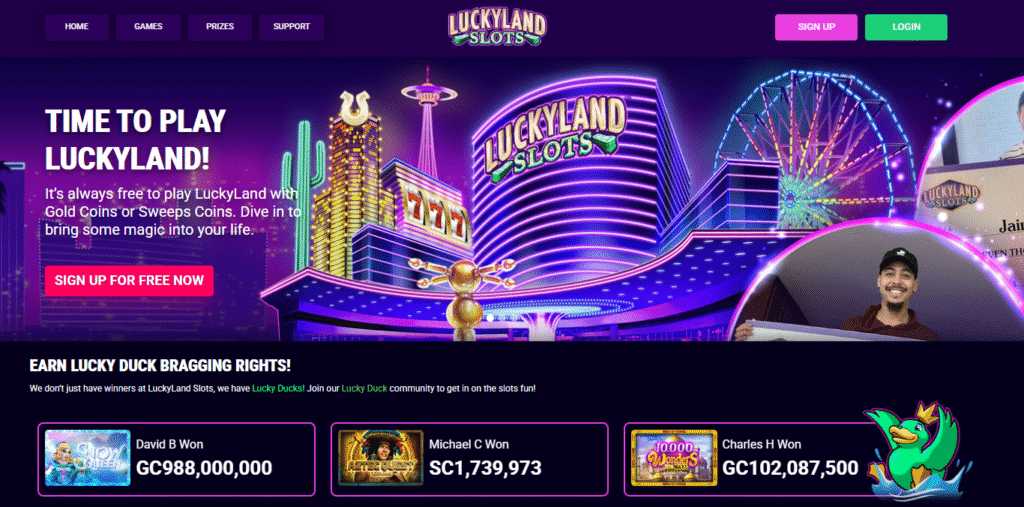
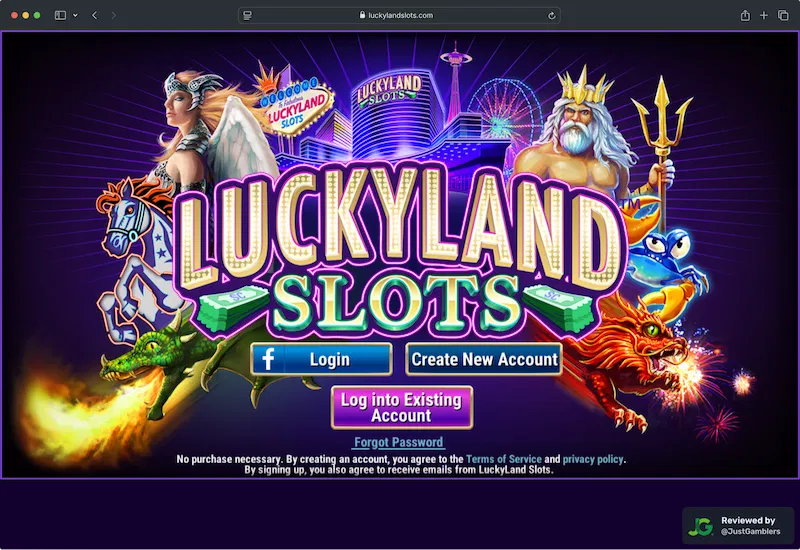
LuckyLand Slots Review and Promotions. PLAY NOW and spin your way to big wins!
This site only collects related articles. Viewing the original, please copy and open the following link:What Is a SLOT? Real-World Examples Hardware & Tech Explained