




















































































Is the Slot Real or Fake? Real Spotting Guide for Safe Gambling

Is the slot real or fake? A straightforward take: in regulated environments, slots are real, tested, and fair; in shady or unregulated settings, “slots” can be fake or manipulated.
If you’re playing at a licensed casino, whether online or on the ground, you should see clear numbers and independent checks. Real slots operate with audited systems that report return-to-player ranges (RTP), and you can often find a license number and regulator name on the site. For example, a licensed online casino might publish an RTP range like 94%–97% for various games and show certificates from regulators such as the UK Gambling Commission or Malta Gaming Authority. This transparency matters because it means the game is held to standards and is regularly tested for fairness.
Red flags appear when information is scarce or inconsistent. If a game hides its RTP, uses unusual or flashy graphics without any verifiable details, or if payout rules change suddenly, these are signs to pause and investigate. A trustworthy platform typically provides accessible details about payout schedules and the provider behind the game, and if those details are missing, that’s a warning sign. Transparent operators often display licensing and audit badges prominently, and you should be able to click through to actual audit reports or regulator pages.
In the online realm, counterfeit or cloned slots may look similar to popular titles but operate with altered math behind the scenes. This can lead to lower RTP, uneven hit frequencies, or unexpected payout behavior that favors the house. Real games from reputable providers maintain consistent math models and publish clear terms, while fake slots tend to lack credible documentation. Look for independent audits and verified provider names as reassurance that you’re dealing with a legitimate game.
Practical tips to differentiate real from fake slots:
- Check licensing and regulation: verify the casino license and the game provider’s reputation; legitimate operators publish licensing numbers and provider names prominently. If you can’t find these details easily, consider it a warning sign.
- Inspect game details: real slots typically publish RTP, variance, and hit frequency; if these are missing or vague, you should proceed with caution and perhaps choose a different game or platform.
- Look for independent audits: reputable platforms have third-party audits (for example, certificates from recognized bodies) and show certification badges, often linked to audit reports. Lack of such badges is a red flag.
- Observe performance cues: real slots deliver smooth gameplay with proper loading and responsive controls; persistent glitches or unusually perfect outcomes can signal manipulation or low-quality replicas.
Illustrative scenario: A player encounters a flashy slot on an unknown site that hides its payout table and refuses to share licensing details. The absence of transparency and regulatory oversight strongly suggests a fake or untrustworthy game, so the prudent move is to leave and seek a licensed platform with clear citations to regulation and audits.
If you want, tell me where you’re seeing the slot (website or casino name), and I can guide you through a quick checklist to evaluate its legitimacy.
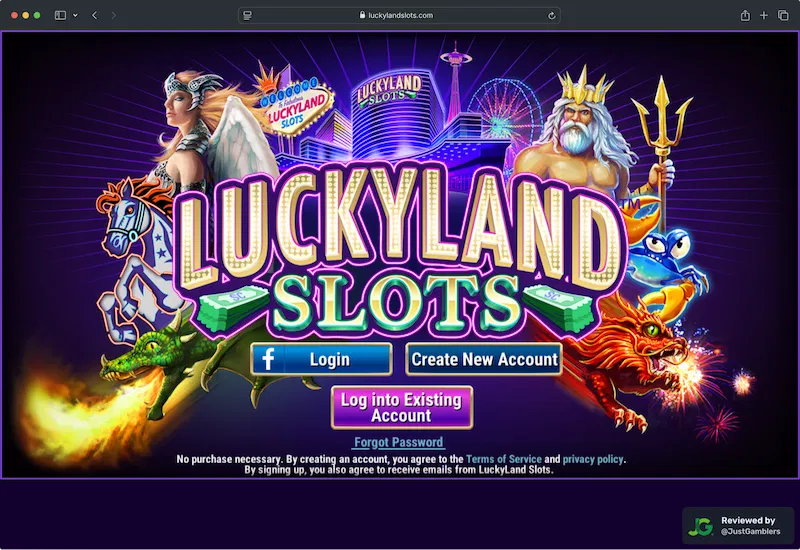
LuckyLand Slots Review and Promotions. PLAY NOW and spin your way to big wins!
This site only collects related articles. Viewing the original, please copy and open the following link:Is the Slot Real or Fake? Real Spotting Guide for Safe Gambling